Along the Waterlines of Kent
Today we explore Industrial and Maritime Heritage Walks on Kent’s Rivers and Canals, tracing paths where towropes strained, shipwrights labored, and mills throbbed beside quiet reeds. Expect layered stories beneath chalk cliffs, iron bridges, lock gates, and creeks that still breathe tides and history into every careful step you take.

Footprints Along the Medway

Follow riverside paths that once echoed with the creak of barges and the ring of hammers, where timber yards, ropewalks, and quays shaped a county’s fortunes. This journey along the Medway connects castles, cathedrals, and working wharves, revealing how stone, sail, and steam knitted communities together across centuries.

Where Canals Cut Through Marsh and Time
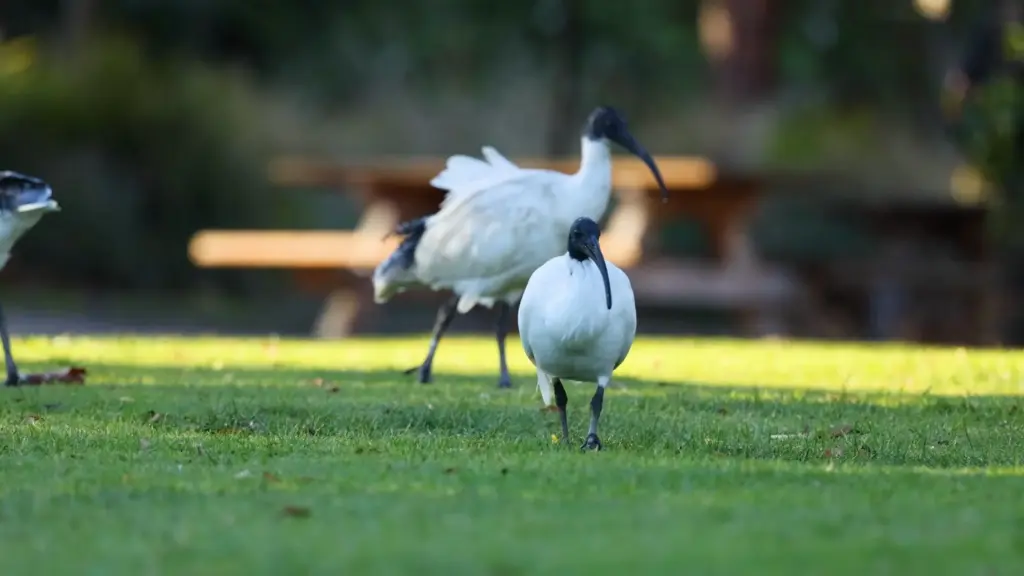
The Royal Military Canal threads a measured line across flat lands, earthwork against invasion and corridor for wildlife. Its banks hold whispers of sentries, sheep bells, and reed-song. Walkers meet sleepers of history here, finding wide skies, brick bridges, and sluices that tuned the water’s voice to strategic purpose.

Hythe’s Bridges and Guarded Edges

Begin among neat parapets and carefully set stones, then follow the bends that once taught patrols to read silhouettes against evening light. Notice angled embankments, listening to how water dampened wheels and boots. Waymarkers invite reflection on engineering pragmatism, community resilience, and how a defensive line grew into a peaceful greenway for everyone.

Romney Marsh Watchlines

Here the horizon arrives early, and the canal draws a thoughtful border through grazing land and sky. Imagine beacon fires replaced by kestrels hovering while walkers pace a quiet vigilance. The path offers long, contemplative miles where wartime fear softened into pastoral routine, and every drainage ditch still keeps disciplined, purposeful order.

Volunteers, Reeds, and Returning Voices

Listen for reed warblers stitching the banks with music as conservation teams mend paths, trim encroaching growth, and restore views. Wayfinding boards credit local hands keeping history readable. Pause to thank the unseen crews whose patient work lets visitors witness shifting seasons, sturdy brickwork, and the canal’s evolving partnership with marshland life.

Creeks, Quays, and the Working Swale

Tidal creeks feed the Swale with stories of gunpowder, oysters, sail-lofts, and resilient towns. Wooden piles, weathered warehouses, and salt-tinged air remind walkers how industry once stepped to the beat of the tide. Every landing-place becomes a page where cargoes, crafts, and courage wrote themselves in tar and rope.

01

Oare’s Gunpowder Trails

Among alder and willow, gentle paths lead to foundations that once demanded distance, discipline, and care. Information boards describe careful transport by water, where sparks spelled disaster and skilled workers trusted routine. As you cross causeways, the wind turns pages of memory, revealing measured processes, bravery, and the creek’s useful, perilous partnership.

02

Faversham’s Sail-Loft Echoes

Climb your imagination into airy lofts where canvas once stretched beneath chalky sunlight, stitched for barges and smacks that harvested trade and oysters. Today’s walk skims bricked fronts and iron rings while gulls review the tide. Feel palms itch for rope, and hear quiet apprentices learning wind, weight, patience, and craft.

03

Red Sails on Restless Water

When the breeze freshens, picture spritsail barges leaning into duty, red canvas glowing against pewter skies. Towpaths and quayheads still hold space for wake patterns and shouted orders. Your steps match that rhythm, honoring skippers who read weather like print, trusting creeks to bend profitably toward estuary and open sea.

From Mills to Modernity on the Stour

The Stour meanders past millraces and market towns, carrying timber, grain, stories, and visitors. Its banks reveal how ingenuity powered stones, looms, and presses. Walkers meet cathedral towers, timbered fronts, and quiet meadows, seeing how industry, devotion, and trade shared channels, currents, and patient seasonal timings across generations.

Canterbury’s Waterwheel Whispers

Below spires and arches, the river keeps telling of turning paddles driving belts, gears, and ambition. Stand at viewpoints where builders once measured flow against demand, and you will hear the soft authority of water. Your path invites practical wonder: how simple fall, careful sluice, and craft sustained bustling livelihoods adjacent to prayer.

Fordwich and the Little Port

At this compact harbor town, heritage appears in brick, timber, and ritual. Imagine stone and supplies landing here, destined inland by cart and muscle. Pause by moorings, watch reflections fold under ducks, and notice how small places convene big exchanges when geography, diligence, and civic trust conspire to make distance negotiable.

Sandwich Haven’s River Gates

Walk the quays where a medieval trading spirit persists beneath modern footsteps. Wind presses flags, and the river lists its intentions between saltmarsh and channel. Plaques and guideposts fill gaps with careful notes, but the tide explains most clearly, rehearsing departures, returns, and the ledger of livelihoods suspended on shifting water.

Rochester Bridge Stories

Peer over railings where centuries of crossings made conversation between banks. Below, water assigns its negotiations around pilings and walls. Above, a guardianship tradition keeps spans safe. As you pass carvings and ironwork, consider how stewardship, toll debates, and engineering updates continued a promise older than most surrounding streets.

Swing, Lift, and Turning Spans

Some bridges open like courteous hosts, granting ships a measured passage. Watch the balance of counterweights, trunnions, and careful timing, even when movements are historical or occasional. The very possibility teaches respect for cooperation between river and road, where patient choreography protects livelihoods, reduces friction, and honors layered transport needs.

Lock-Keepers and their Ledgers

Envision an office warmed by a kettle, walls pinned with notices, and a view commanding paddles, cills, and approach lines. Records captured weather, water levels, names, and delays. Your walk retrieves those ordinary heroics, the unglamorous timings and quiet fixes that let commerce and leisure share corridors gracefully.

Bridges, Locks, and Ingenious Hands

Structures along Kent’s waterways speak of craft, maintenance, and vision. Brick by brick, gear by gear, communities learned to temper flows and connect shores. When you study abutments, gates, and counterweights, you also encounter the people who mended, inspected, argued, and recorded, keeping trade and travel resilient through change.

Walking Well: Routes, Tides, and Courtesy

Good journeys begin with practical kindness to yourself, the landscape, and its stories. Check conditions, carry maps, and respect working quays and private yards. Plan for tide windows on creeks, and give wildlife space. Let curiosity guide conversations with locals, whose memories add warmth, nuance, and trustworthy direction.

Tide Tables and Safe Towpaths

Creekside ground can vanish to mirrored water faster than expected, and silt remembers every careless step. Learn local high-water marks, watch weather, and give yourself alternatives. Where towpaths narrow by brambles or erosion, slow down, yield gracefully, and keep dogs close so herons, swans, and workers remain untroubled.

Wayfinding with Old and New Maps

Pair an Ordnance Survey sheet with a heritage leaflet, and yesterday’s tramways, wharves, and sidings begin to reappear. QR codes and community boards add recent notes. Let small detours reveal brick stamps, timber numbers, and repurposed warehouses, then jot discoveries to help future walkers deepen their own rewarding explorations.

Share Your Steps and Keep the Story Flowing

Post your favorite viewpoints, family anecdotes, and practical tips in the comments, or subscribe to receive fresh route ideas and event dates. Your photos and questions enrich the archive, connecting new walkers with river friends, canal guardians, and the persistent, generous current of Kent’s working waters.

Pentolaxirinodexovaroloro
Privacy Overview

This website uses cookies so that we can provide you with the best user experience possible. Cookie information is stored in your browser and performs functions such as recognising you when you return to our website and helping our team to understand which sections of the website you find most interesting and useful.